Essential Renovation Tips for Older Apartments
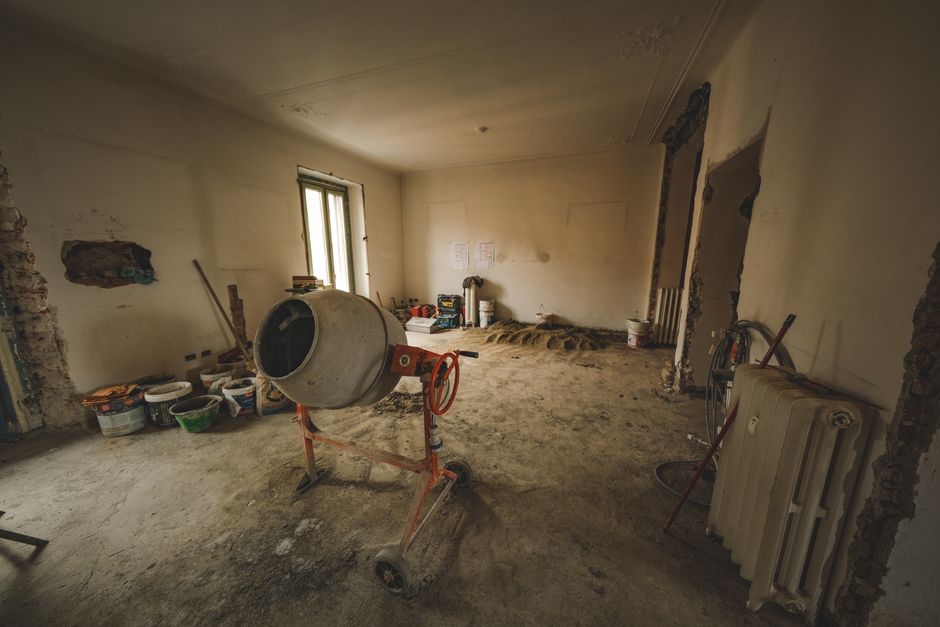
Renovating an older apartment presents a distinctive set of challenges that differ significantly from those encountered in newer constructions. Each building has its own history, and with that history comes unique structural, electrical, and plumbing systems that may not conform to modern standards. This article aims to provide a comprehensive overview of the essential considerations when undertaking a renovation in an older apartment, focusing on wiring, plumbing, and structural updates. By understanding these aspects, you can approach the project with a clear strategy and avoid common pitfalls.
The process of renovating an older apartment requires a thorough assessment of the existing conditions before any work begins. This initial evaluation helps in identifying potential issues such as outdated materials, hidden damages, and non-compliance with current building codes. A methodical approach ensures that the renovation not only improves the aesthetics but also enhances the safety and functionality of the living space. This guide will outline the key areas to focus on, providing insights into safe and efficient renovation practices.
Assessing the Existing Infrastructure
Before any renovation work can commence, it is crucial to conduct a comprehensive assessment of the apartment’s existing infrastructure. This includes a detailed inspection of the electrical system, plumbing, and structural elements such as load-bearing walls and the foundation. Older apartments often have systems that have been modified or degraded over time, which can pose significant risks if not addressed properly. Engaging professionals such as electricians, plumbers, and structural engineers for this assessment is highly recommended, as they are trained to identify issues that may not be visible to the untrained eye.
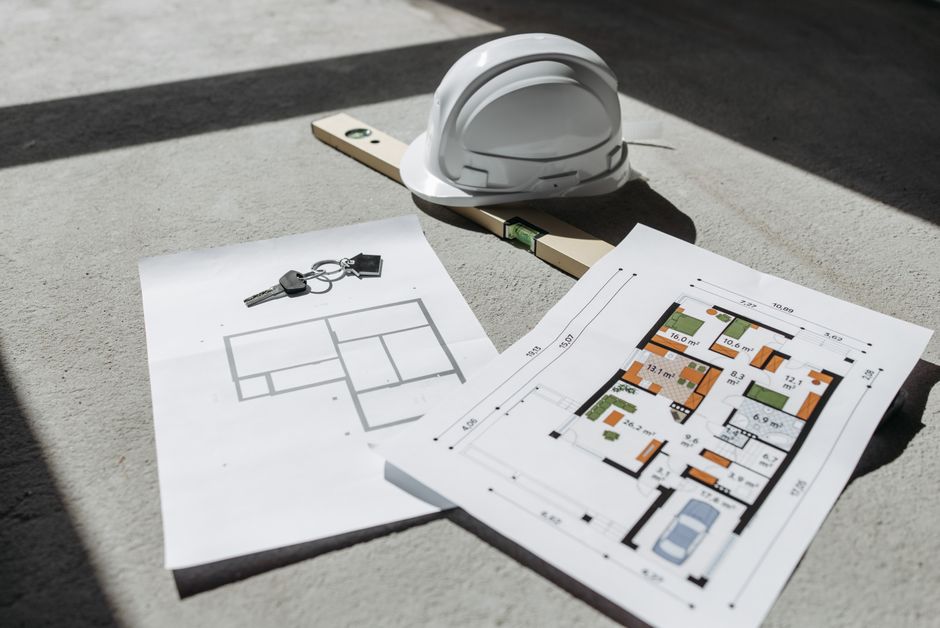
The assessment should include a review of the building’s original plans if available, as these can provide valuable insights into the original construction methods and materials. It is also important to check for any previous renovation work that may have been done, as these modifications can sometimes weaken the structure or create code violations. Documenting all findings in a detailed report will help in planning the renovation steps and budgeting for unexpected repairs. This initial phase is essential in setting a realistic scope and timeline for the project.
Electrical System Updates
Electrical systems in older apartments are often outdated and may not be equipped to handle the demands of modern appliances and electronics. One of the most common issues is the presence of knob-and-tube wiring, which was widely used in the early 20th century but is now considered a fire hazard. Similarly, aluminum wiring, which was popular in the 1960s and 1970s, has been associated with connection failures and overheating. If any of these types of wiring are found, it is essential to consider replacing them entirely with modern copper wiring that meets current safety standards.
Upgrading the electrical panel may also be necessary, as older panels often have lower amperage ratings and lack the capacity for additional circuits. A typical modern home requires at least 100 amps, but many older apartments are limited to 60 amps or less. This upgrade involves not only increasing the panel’s capacity but also ensuring that the wiring and breakers are compatible. It is advisable to consult with a licensed electrician to determine the appropriate upgrades based on the apartment’s specific needs. Also, updating outlets and switches to include ground fault circuit interrupters (GFCIs) in areas like kitchens and bathrooms enhances safety.
Lighting fixtures should also be evaluated during the renovation. Older fixtures may have worn insulation or improper grounding, which can be dangerous. Replacing them with energy-efficient LED fixtures not only improves safety but also reduces energy consumption. When planning electrical upgrades, it is important to consider the placement of outlets to meet lifestyle needs, avoiding the use of extension cords as permanent solutions. Proper planning of the electrical layout during renovation can prevent future issues and ensure that the system is safe and efficient.
Plumbing System Renovation
Plumbing systems in older apartments often consist of galvanized steel or cast iron pipes that are prone to corrosion and buildup over time. These materials can lead to reduced water pressure, discoloration, and even leaks. Replacing these pipes with modern materials such as copper or PEX can greatly improve the reliability and longevity of the plumbing system. The upgrade may involve repiping parts or the entire apartment, depending on the condition of the existing pipes and the budget.
In addition to pipes, water heaters in older apartments may be outdated and inefficient. Tankless options or high-efficiency models can be considered to save space and energy. It is also important to inspect the water pressure and, if necessary, install a pressure regulator to prevent damage to fixtures and pipes. The bathroom and kitchen fixtures should be updated to include water-saving features, such as low-flow toilets and aerated faucets, which contribute to water conservation.
During the plumbing renovation, it is important to check for any signs of mold or water damage, as these can indicate hidden leaks. Addressing these issues during the renovation can prevent health problems and further structural damage. Additionally, the location of the main shut-off valve should be clearly marked and accessible in case of emergencies. A well-planned plumbing upgrade can significantly increase the comfort and safety of the apartment.
Structural Updates and Considerations
Structural updates in an older apartment are often overlooked but are critical for safety and stability. Load-bearing walls should not be moved or altered without professional consultation, as doing so can compromise the entire building structure. If the renovation involves removing walls or changing the layout, a structural engineer must assess the plans and provide guidance on necessary reinforcements, such as beams or columns.
Flooring is another aspect of the structure that may require attention. Older apartments might have subfloors that are uneven or damaged. Before laying new flooring, the subfloor should be leveled and repaired to ensure a smooth and long-lasting finish. Similarly, ceilings may have cracks or sagging, indicating structural issues. Fixing these can involve reinforcing joists or replacing sections of drywall.
Windows are also part of the building envelope and can affect the structural integrity and energy efficiency. Older single-pane windows may need to be replaced with double- or triple-pane versions to improve insulation and reduce drafts. Proper installation is crucial to prevent water infiltration and air leaks. Additionally, the apartment’s entry door and any interior doors should be checked for proper alignment, as settling of the building can cause them to stick or not latch correctly.
When undertaking structural updates, it is essential to obtain any necessary permits and comply with local building codes. This ensures that the work is performed to standards and avoids potential legal issues. Working with experienced contractors who specialize in older buildings can be beneficial, as they understand the unique challenges and know how to address them effectively.
Safety and Efficiency Measures
Throughout the renovation process, safety should be a top priority. In addition to electrical and plumbing safety, measures should be taken to protect workers and residents from hazards such as lead paint and asbestos, which were commonly used in older buildings. If these materials are suspected, professional abatement must be conducted before any demolition or sanding. Proper protective equipment and procedures are essential to prevent exposure.
Efficiency in renovation involves not only energy efficiency but also time and cost management. This begins with a well-defined plan that outlines the sequence of work, from demolition to finishing touches. It is wise to schedule inspections after major phases, such as electrical or plumbing rough-ins, to ensure that the work complies with codes before closing up walls. This can prevent costly rework and delays.
Implementing energy-efficient upgrades, such as insulation, sealing, and high-performance windows, can reduce utility bills and improve comfort. Older apartments often lack adequate insulation, especially in walls and attics. Adding insulation during renovation is a worthwhile investment. Similarly, upgrading to energy-efficient HVAC systems and appliances can significantly reduce energy consumption.
Finally, communication among the renovation team, including contractors, architects, and the owner, is key to a smooth process. Regular meetings and clear documentation help in addressing issues promptly and keeping the project on schedule. By focusing on safety and efficiency, the renovation can be completed successfully, resulting in a comfortable and safe living environment.
Renovating an older apartment is a delicate balance of preserving its character while updating its systems to meet modern standards. A careful approach ensures that the building’s heritage is maintained along with its functionality.
In conclusion, renovating an older apartment requires thorough planning, professional expertise, and attention to detail. The challenges presented by outdated wiring, plumbing, and structural components can be addressed through proper assessment and adherence to safety standards. By following the essential tips outlined in this article, you can navigate the renovation process with confidence, ensuring a safe and efficient transformation of your living space.